





How to Set Up Your New Guitar Properly: A Beginner’s Guide
So you’ve got a new guitar. Lovely stuff. It might be fresh out of the box, newly unwrapped, or proudly sitting in the corner waiting to be played properly. Either way, before you dive headfirst into riffs, chords and heroic strumming, there’s one crucial step that often gets overlooked:
Setting it up properly.
A good guitar setup doesn’t mean expensive tools or technical wizardry. It means making sure your guitar is comfortable, in tune, and ready to be played — especially if you’re a beginner. Get this right early on, and everything feels easier, sounds better, and stays far more enjoyable
Let’s walk through it, step by step.
Why Guitar Setup Matters (Especially for Beginners)
A poorly set-up guitar can make learning feel far harder than it needs to be. Strings that are old, badly tuned or uncomfortable can lead to sore fingers, tuning frustration and that dreaded feeling of “maybe this isn’t for me”.
A simple setup helps ensure:
- Your guitar stays in tune
- Chords sound clean and clear
- Strings feel comfortable under your fingers
You enjoy practising more (this is the big one)
Good setup doesn’t just help your guitar — it helps you stick with it.

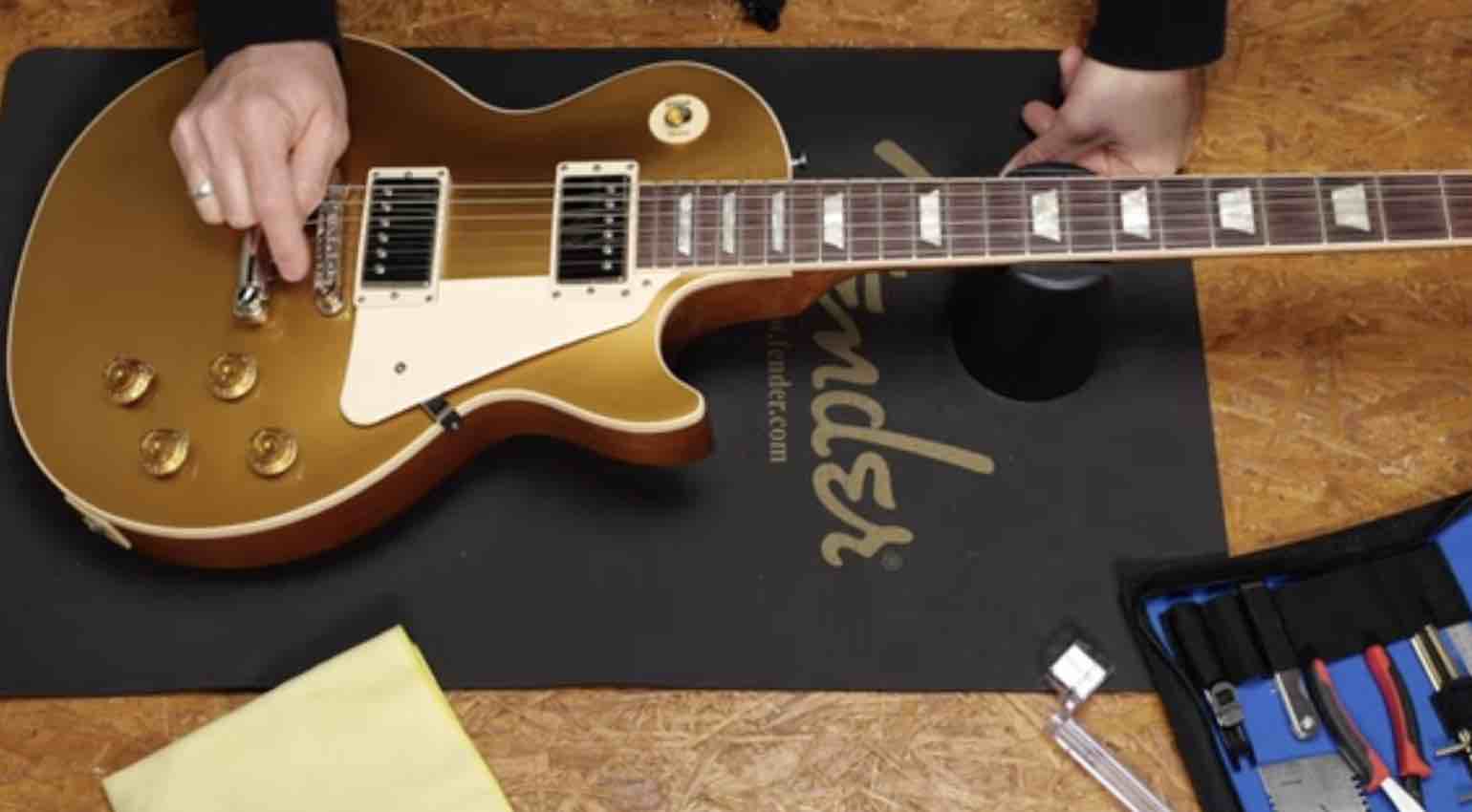
Step One: Change the Strings (Yes, Even on a New Guitar)
This surprises a lot of people, but it’s true: many guitars arrive with factory strings that have been on the instrument for months. They’re often dull, lifeless and harder to play than they should be.
Changing strings is one of the easiest and most effective upgrades you can make.
Fresh strings:
- Sound brighter and clearer
- Stay in tune better
- Feel smoother on your fingers
If you’re a beginner, lighter gauge strings are usually a great choice. They’re easier to press down and kinder on new fingertips.
This is also the perfect moment to learn how to restring a guitar, a skill every guitarist ends up using regularly. If you’re unsure, Musicmaker staff are always happy to help — or even change them for you.
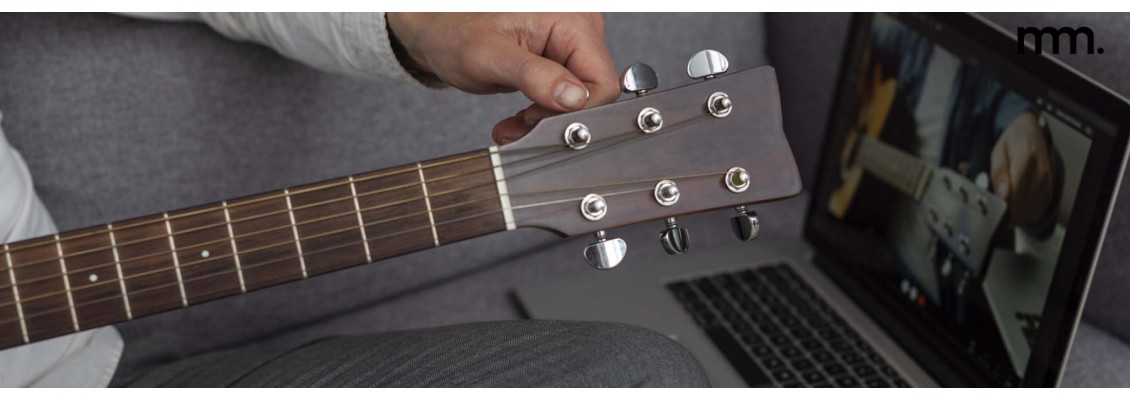
Step Two: Tune Properly (And Often)
Tuning isn’t optional — it’s fundamental.
A guitar that isn’t in tune will never sound right, no matter how well you play. Beginners often think they’re doing something wrong when, in reality, the guitar simply needs tuning.
A clip-on tuner is the easiest and most reliable solution. These small, affordable tools attach to the headstock and work by vibration, meaning they’re accurate even in noisy rooms.
Make tuning part of your routine:
- Tune every time you pick up the guitar
- Recheck tuning after changing strings
- Get comfortable with standard tuning early on
It builds your ear and saves endless frustration.

Step Three: Check Comfort and Playability
You don’t need to measure millimetres or adjust truss rods at this stage — but you do need to notice how the guitar feels.
Ask yourself:
- Are the strings uncomfortably high?
- Do chords feel painful or awkward?
- Is buzzing happening when you play cleanly?
If something feels off, trust that instinct. Beginner guitars are meant to be comfortable, and small adjustments can make a huge difference.
This is where a professional setup can be invaluable. A quick adjustment by a technician can transform a guitar, especially for new players. It’s one of the best investments you can make early on.
Get in touch to ask about our Musicmender services.
Step Four: Use a Capo (Your Secret Weapon)
A capo is a small clamp that fits across the neck of the guitar, shortening the string length and effectively moving the pitch up.
For beginners, capos are brilliant because they:
Make many songs easier to play
Reduce finger stretch and pressure
Allow you to play along with singers comfortably
They’re simple, affordable, and incredibly useful — one of those accessories you’ll wonder how you lived without.

Step Five: Clean and Care (Without Going Overboard)
You don’t need a full cleaning ritual every time you play, but basic care goes a long way.
Wipe the strings and body after playing to remove sweat and oils. This keeps strings fresher for longer and helps the guitar age gracefully.
If you want to go a step further, Music Nomad guitar care kits are a fantastic all-in-one solution. They include safe, effective products for cleaning, conditioning and maintaining your instrument without risk.
Think of it as brushing your teeth — small effort, big long-term benefit.
Check out all our excellent Music Nomad cleaning products HERE.
Common Beginner Setup Mistakes to Avoid
It’s worth saying what not to do as well.
Avoid:
- Ignoring tuning issues
- Leaving old strings on for months
- Forcing adjustments you’re unsure about
- Assuming discomfort is “normal”
Learning guitar is challenging enough — your setup should be helping, not hindering.

When to Get Help (And Why That’s a Good Thing)
There’s no badge of honour for struggling alone.
If something doesn’t feel right, or if you’re unsure how to restring, tune or adjust your guitar, that’s exactly what a good music shop is for. A quick conversation with someone who knows instruments can save weeks of frustration.
At Musicmaker, setups, advice and accessories go hand in hand. The goal is simple: make your guitar enjoyable to play.
Get in touch about the service HERE.
Final Word: A Well-Set-Up Guitar Gets Played More
The best guitar in the world is useless if it stays in its case.
A properly set-up guitar invites you to pick it up, practise longer, and enjoy the process of learning. Fresh strings, accurate tuning, comfortable playability and a few smart accessories make all the difference.
If you’re starting out, or helping someone else start, taking a little time to set things up properly is one of the smartest moves you can make.
Pop into Musicmaker Dublin or browse online for strings, tuners, capos, Music Nomad care kits — and friendly advice whenever you need it.