




A Beginner Pedalboard Guide
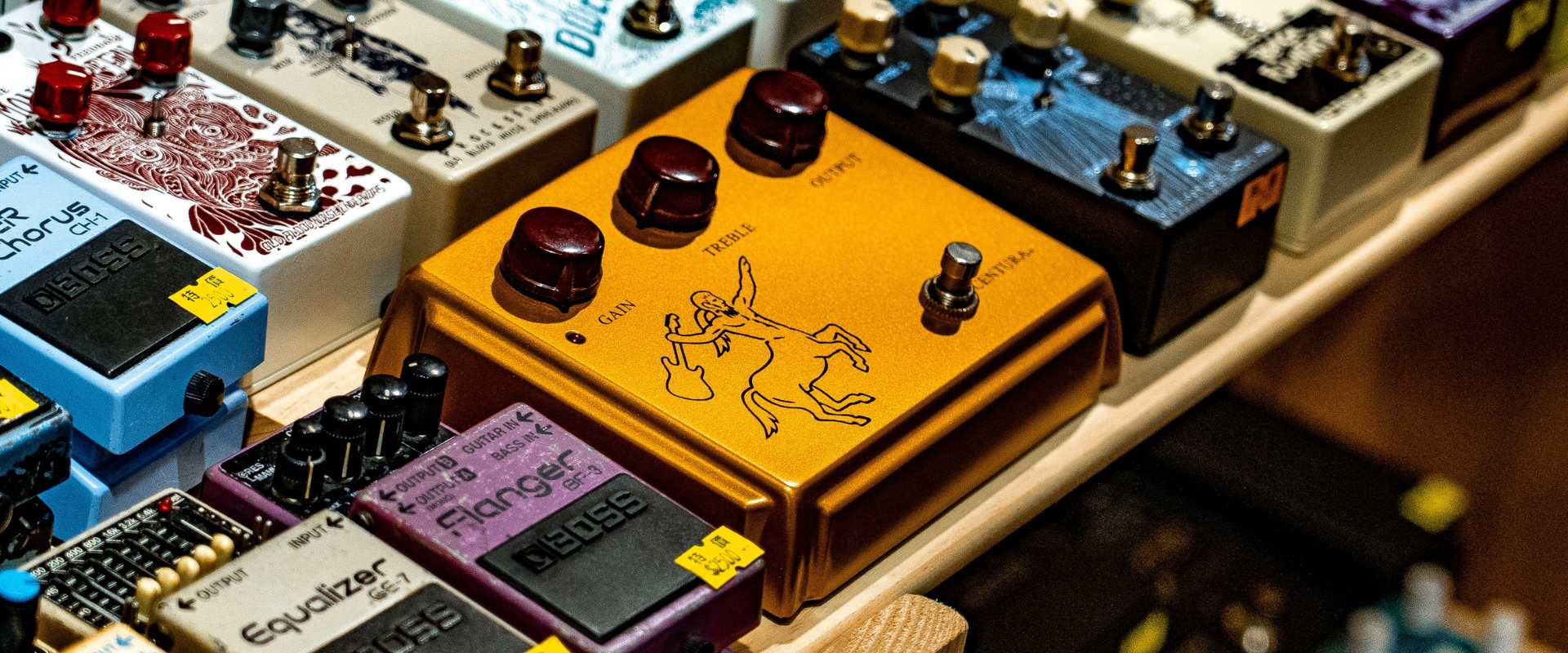
So many options!
Building your first pedalboard is one of the most exciting moments in a guitarist’s life. It’s also one of the easiest places to go wildly wrong.
One minute you’re looking for “a bit of grit”, the next you’re deep into a forum argument about Germanium transistors, powered by caffeine and regret. Let’s avoid that.
This guide is here to show you what you actually need for your first pedalboard, what can wait, and what you can safely ignore for now — while building a setup that sounds great, works reliably, and grows with you.
If you’re searching for first pedalboard, guitar pedals for beginners, or what pedals do I need, you’re in the right place.
The Golden Rule of First Pedalboards
Your first pedalboard should do three things:
- Sound fun immediately
- Be simple enough to understand
- Leave room to grow
That’s it. Anything that complicates those goals goes in the “later” pile.
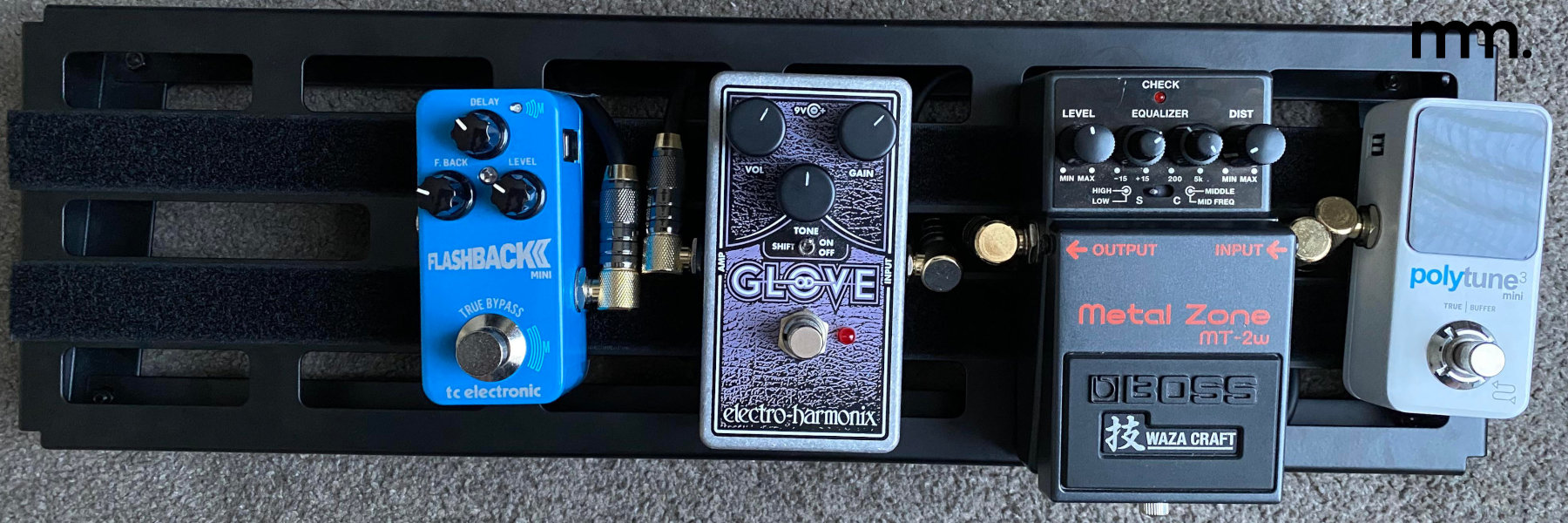
Simple, yet effective. And starts with a tuner.....
Pedal One: A Proper Tuner (Non-Negotiable)
Every pedalboard starts with a tuner. Not because it’s exciting — but because nothing ruins a great tone faster than being out of tune.
A pedal tuner lives at the front of your signal chain, keeps you accurate, and gives you a silent mute when tuning between songs.
The D’Addario PW-CT-20 Chromatic Pedal Tuner is a brilliant choice for beginners. It’s fast, clear, reliable, and rock-solid on a pedalboard. No fuss, no guessing, no excuses. You step on it, you tune, you move on.
This is the least glamorous pedal you’ll own — and the most important.
Check out the D'addario Pedal Tuner HERE.
Pedal Two: Overdrive or Distortion (Your Core Sound)
If pedals are the personality of your rig, overdrive and distortion are its accent.
For a first pedalboard, you want something flexible — a pedal that can do subtle grit and full-bodied crunch without becoming uncontrollable.
The EBS Drive Me Crazy Distortion Overdrive Pedal is a cracking option here. It lives comfortably in that sweet spot between overdrive and distortion, meaning you can use it for:
- Light breakup
- Classic rock crunch
- Heavier rhythm tones
It responds well to your playing dynamics and works beautifully with clean or slightly driven amps. That versatility is exactly what beginners need — one pedal, many usable sounds.
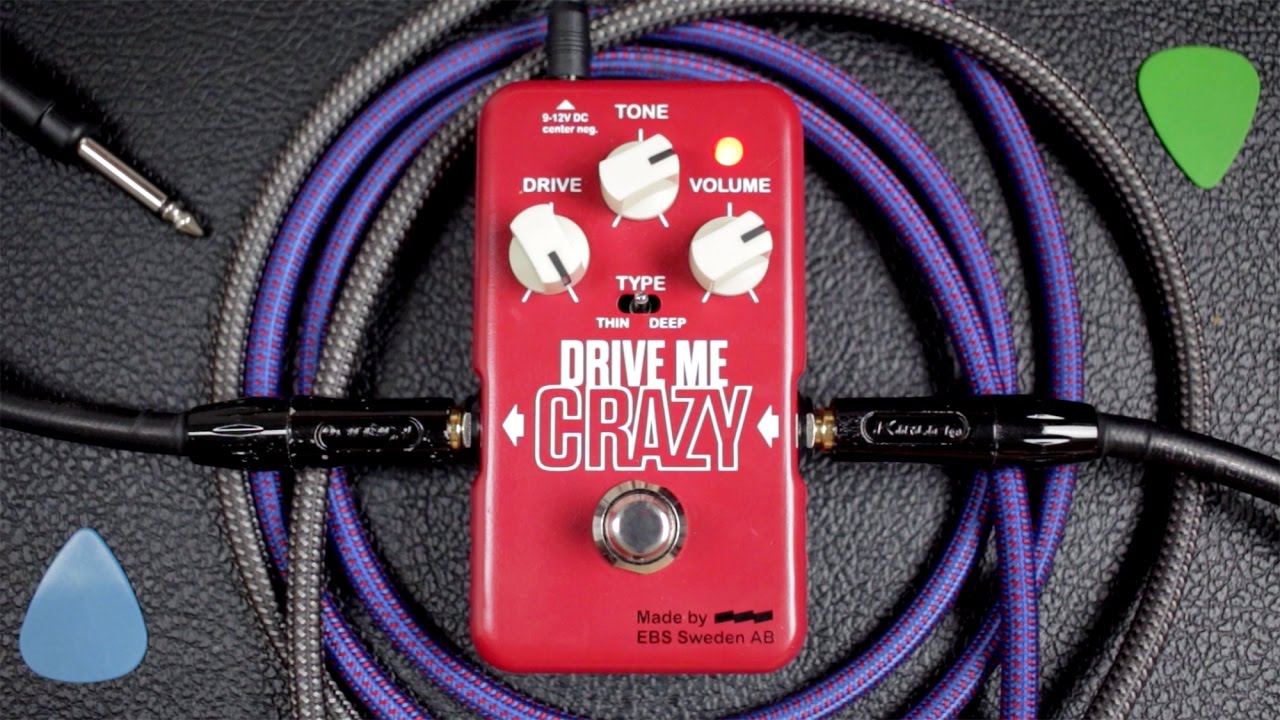
You can't go wrong with Swedish engineering....
Pedal Three: Delay & Reverb (Instant Atmosphere)
This is where things start to feel fun.
Delay and reverb add space, depth, and that magical “why does this sound better suddenly?” effect to your playing. For a first pedalboard, you don’t need ten modes and menus — you need something inspiring and easy.
The Donner Versa Yellow Fall II Delay & Reverb Pedal nails this beautifully. It combines two of the most useful effects into one compact unit, letting you add:
- Subtle ambience
- Slapback delay
- Lush repeats
- Spacious reverb tails
It’s intuitive, musical, and perfect for beginners who want results without complication.
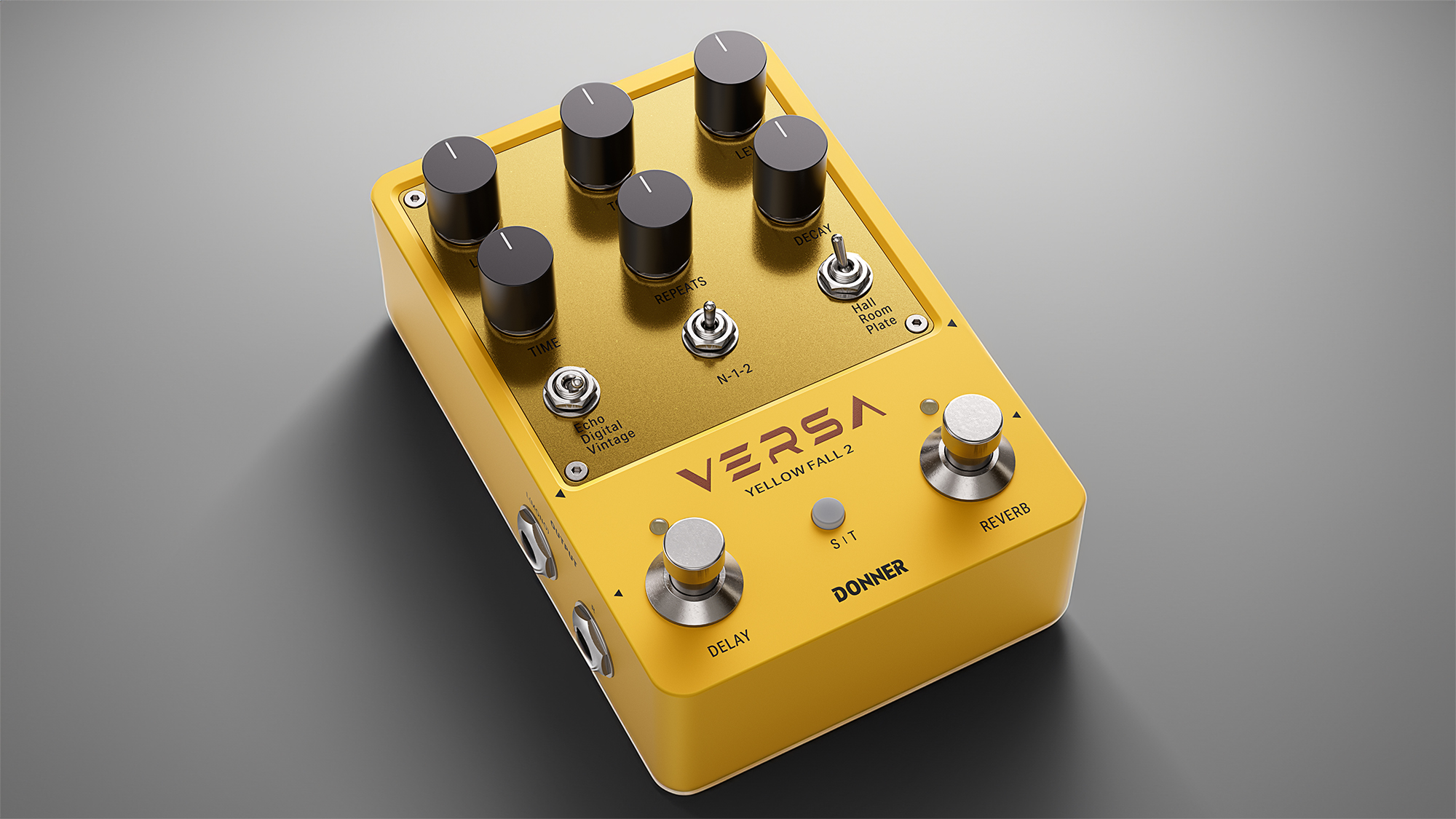
Or… Go All-In-One (And Save Yourself the Spiral)
If the idea of buying multiple pedals feels overwhelming, multi-effects pedals can be a very smart first step.
The Donner APL Multi Effects Pedal is a compact, affordable way to experiment with a wide range of effects — overdrives, delays, reverbs, modulation — all in one box. It’s ideal for discovering what you actually like before committing to individual pedals.
For players who want more power, presets and flexibility, the Donner Arena 2000 Guitar Multi-Effects Pedal is a serious step up. It offers advanced effects, amp modelling, preset storage and deep control, making it perfect for bedroom players, gigging beginners, or anyone who wants an all-in-one solution without sacrificing sound quality.
Multi-effects pedals are not “cheating”. They’re efficient.
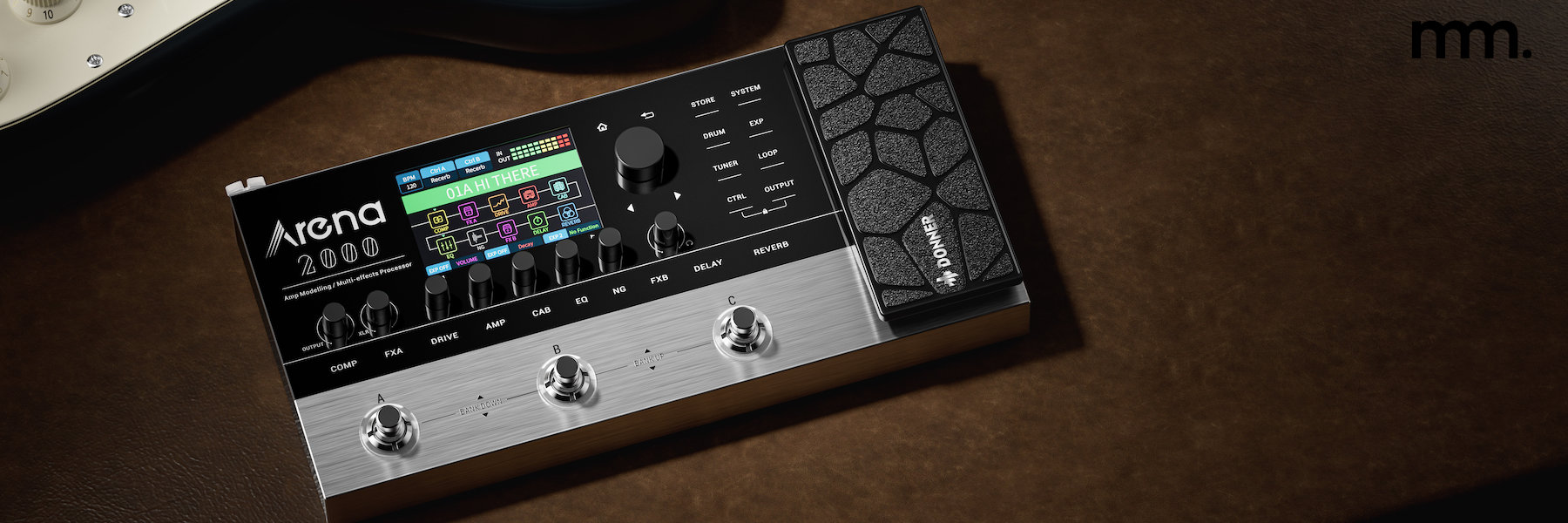
The Donner Arena 2000, is a beast. Pretty affordable too.
Patch Cables: The Quiet Heroes
You can have the best pedals in the world, but if you connect them with dodgy cables, everything suffers.
Good patch cables reduce noise, signal loss and frustration. The EBS Deluxe Patch Cables are a favourite for a reason — low-profile, flexible, reliable, and built for real pedalboards.
They keep everything tidy and sounding exactly as it should.
The Board Itself: Keep It Sensible
For a first pedalboard, smaller is better.
The Pedaltrain Nano with Soft Case is an ideal starting point. It forces you to focus on what matters, keeps your setup portable, and stops you from buying pedals just because there’s space.
Three to five pedals on a Nano is a perfect beginner board. Anything more can wait.
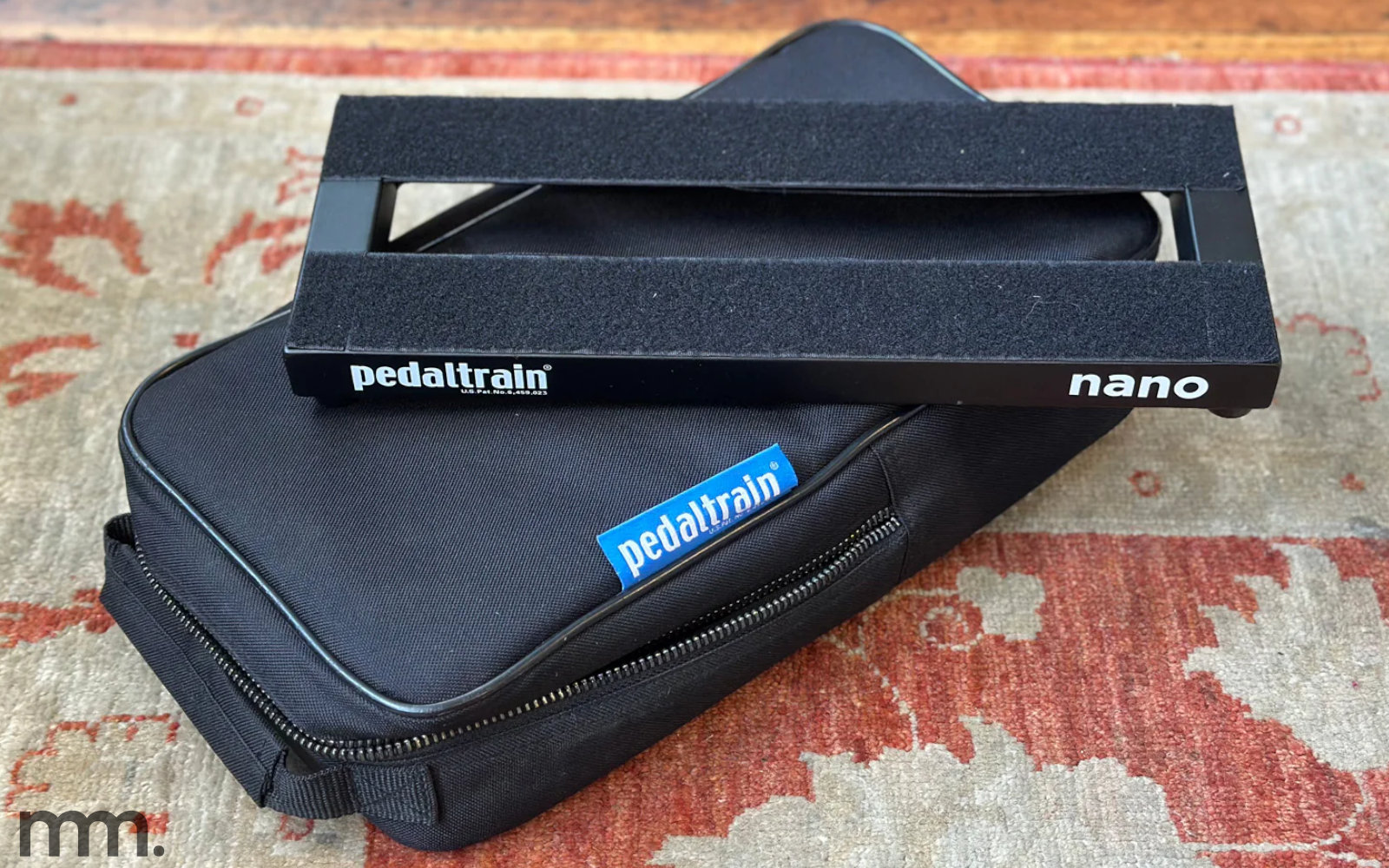
Small, but entirely perfect. The Pedaltrain Nano.
What to Ignore (For Now)
Here’s what beginners don’t need yet:
- Boutique fuzzes with three pages of history
- Complex MIDI switching systems
- Rack-sized power conditioners
- Pedals you don’t understand
You’ll get there. Just not today.
Final Word: Simple Boards Get Played More (at the start...)
The best pedalboard isn’t the biggest one. It’s the one you understand, trust, and actually use.
Starting with the right pedals — and ignoring the noise — sets you up for years of enjoyment rather than weeks of confusion.
If you’re building your first pedalboard and want advice that actually makes sense, pop into Musicmaker Dublin or browse online. From tuners and overdrives to multi-effects and pedalboards, we’ll help you build something that works — not something that gathers dust.
Now plug in. Step on something. And enjoy the ride.
Browse all our Pedals & Accessories HERE.
