





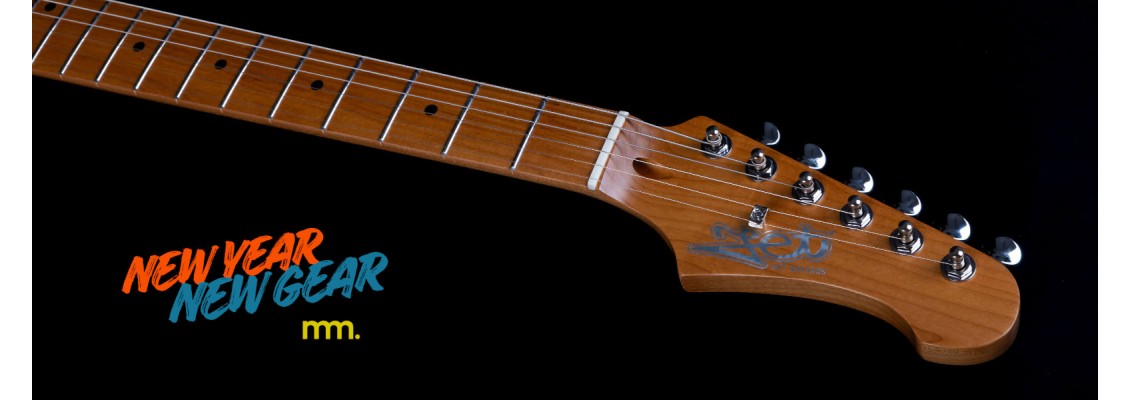
Roasted Maple Necks Explained: Why They’re Everywhere
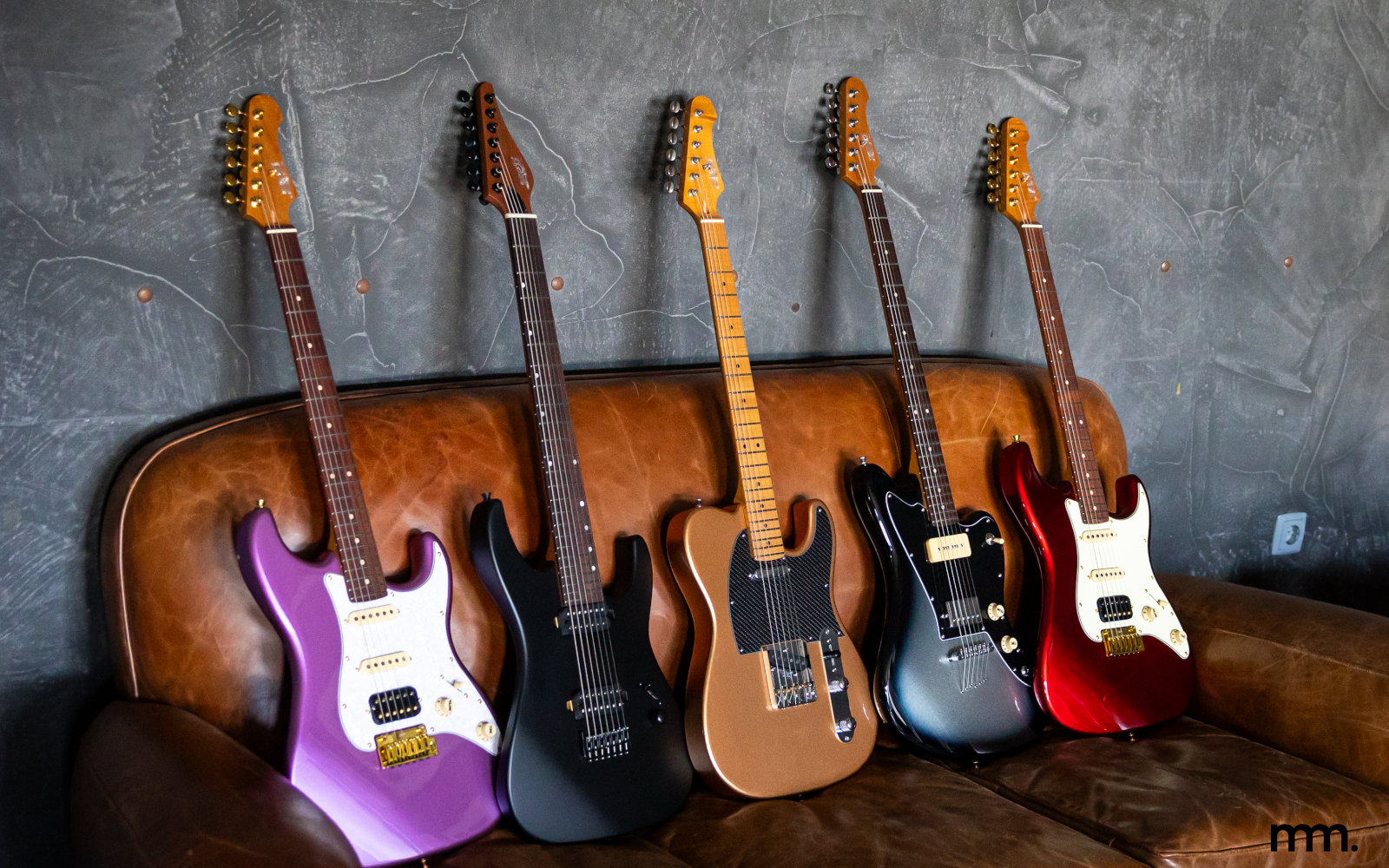
Because guitars. Jet Guitars know why.......
Walk into any modern guitar shop, glance along the necks, and you’ll start seeing the same phrase pop up again and again:
Roasted maple.
It sounds fancy. It sounds expensive. It sounds like something discovered accidentally when a luthier left a neck in the oven too long and decided to pretend it was on purpose.
But roasted maple is very real, very intentional, and genuinely brilliant — which is why brands like Jet Guitars and Spira Guitars are using it across some of the most exciting modern instruments on the market.
So what is roasted maple, exactly? And why does it feel like every cool guitar suddenly has it?
Let’s dig in.
What Is Roasted Maple (And Why It Feels So Good)?
Roasted maple — sometimes called torrefied maple — is regular maple that’s been heat-treated in a carefully controlled, oxygen-free environment. During this process, excess moisture, resins and impurities are drawn out of the wood, fundamentally changing how it behaves.
What you’re left with is maple that’s drier, more stable and more consistent than untreated wood. In practical guitar terms, that means a neck that’s less reactive to temperature and humidity changes, holds its setup better over time, and feels immediately familiar under the hand.
But the real magic happens when you play it.
Roasted maple necks tend to feel smooth, fast and slightly satin-like, even when finished. There’s less of the “sticky” sensation some players experience with traditional glossy maple, especially under hot lights or during long sessions. Many guitarists describe roasted maple as feeling played-in from day one — like a neck that’s already been gigged, loved and broken in over years.
The heat treatment also darkens the wood naturally, giving roasted maple its warm caramel or toasted-brown colour. It looks vintage without being artificial, modern without being flashy — a big part of why it pairs so well with contemporary guitar designs.
In short: roasted maple isn’t just a spec. It’s a feel thing. And once players notice it, they tend not to forget it.
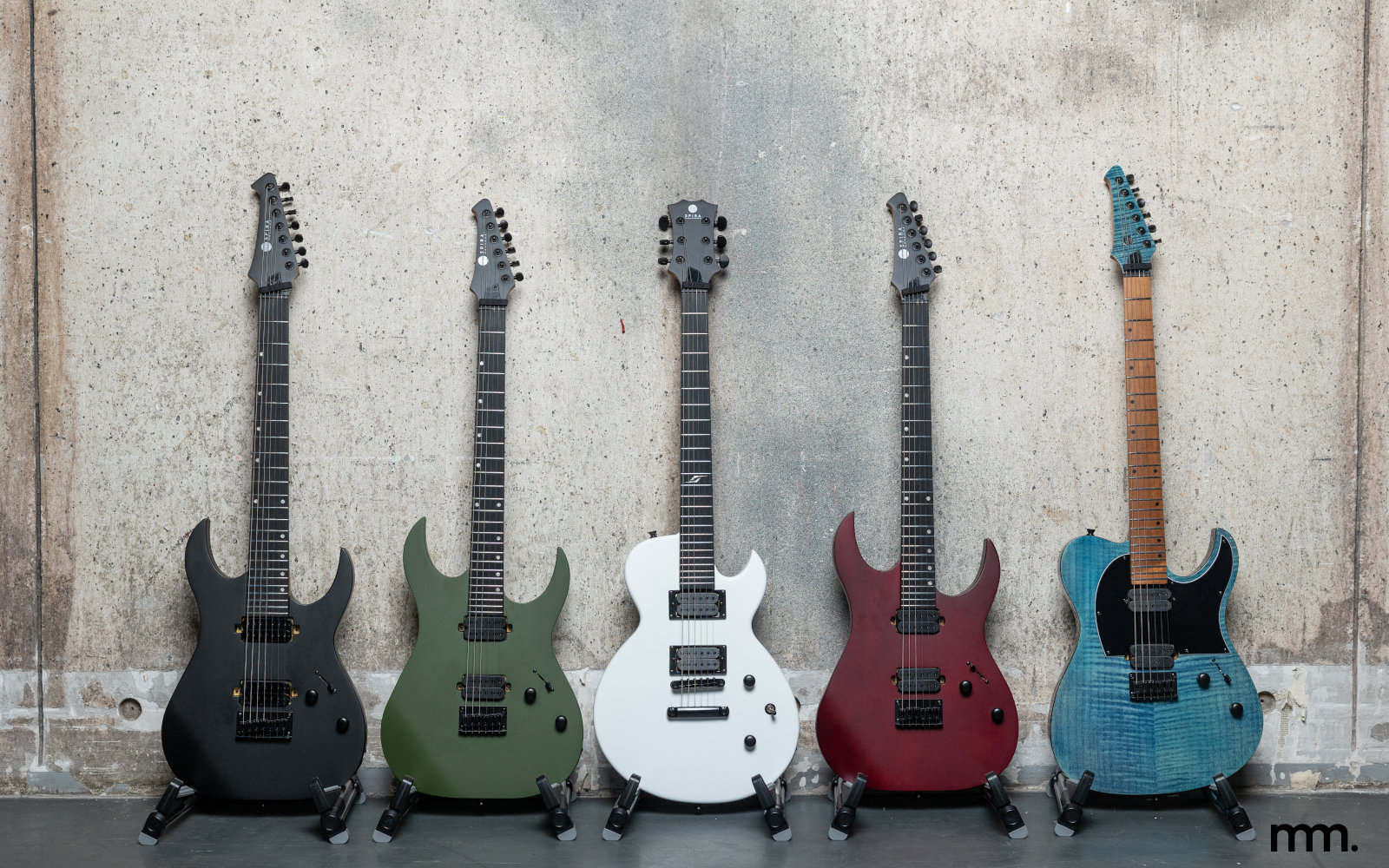
You know who else knows what's up? Sweet, sweet Spira Guitars.
Why Guitar Builders Love Roasted Maple
Necks are under constant tension. Strings pull, temperatures change, humidity shifts, seasons roll in and out. Traditional maple necks are great, but they can still react to their environment.
Roasted maple changes that equation.
Because much of the wood’s natural moisture has been removed, roasted maple necks are:
- More stable over time
- Less likely to warp or twist
- Slower to react to climate changes
- Often able to go longer between truss rod adjustments
For players, that means a guitar that feels consistent, whether you’re practising at home, rehearsing in a cold room, or playing a sweaty gig.
Why Jet Guitars Use Roasted Maple
Jet Guitars have built a reputation for punching far above their price point, and roasted maple is a big part of that story.
By using roasted maple necks on models like the JS-300, JS-400, JT-300, JT-400 and beyond, Jet deliver:
- Modern feel
- Improved tuning stability
- A premium touch normally associated with far more expensive guitars
For beginners, it means a guitar that stays comfortable and consistent. For experienced players, it means a neck that just gets out of the way.
It’s one of the reasons Jet guitars feel so immediately playable straight off the rack.
Check out all our Jet Guitars HERE.
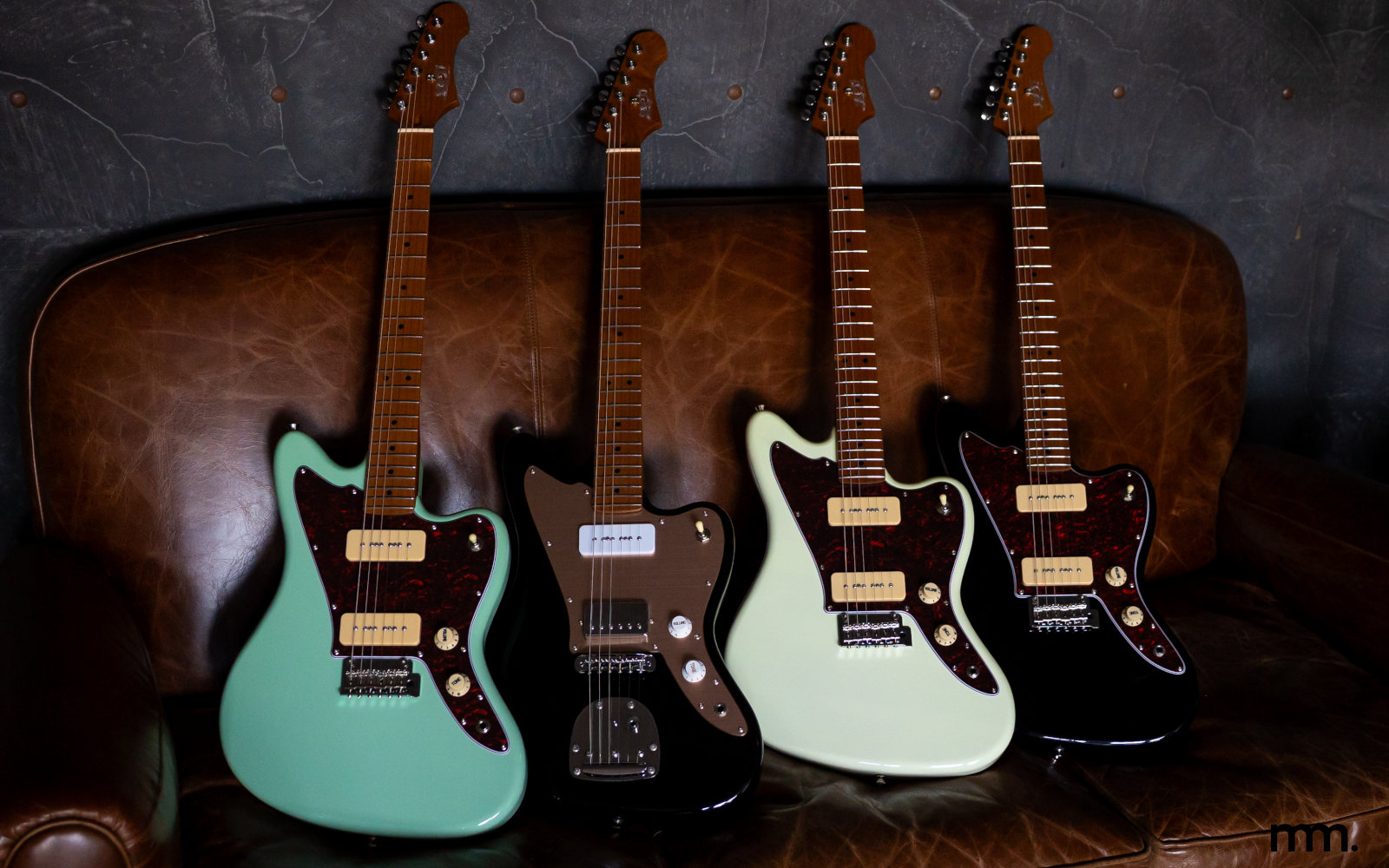
Not only that, but some seriously cool Offsets.
Why Spira Guitars Go All-In on Roasted Maple
Spira guitars are built with modern players in mind — especially those leaning towards heavier styles, fast playing, and precision.
Roasted maple makes perfect sense here.
On Spira S-Series and T-Series models, roasted maple necks complement:
- Thin, fast neck profiles
- High-output pickups
- Tight, articulate playing styles
The stability of roasted maple helps maintain low action and reliable setup, even with aggressive playing or alternate tunings. For metal, hard rock and modern guitar styles, it’s a no-brainer.
Check out all our Spira Guitars HERE.
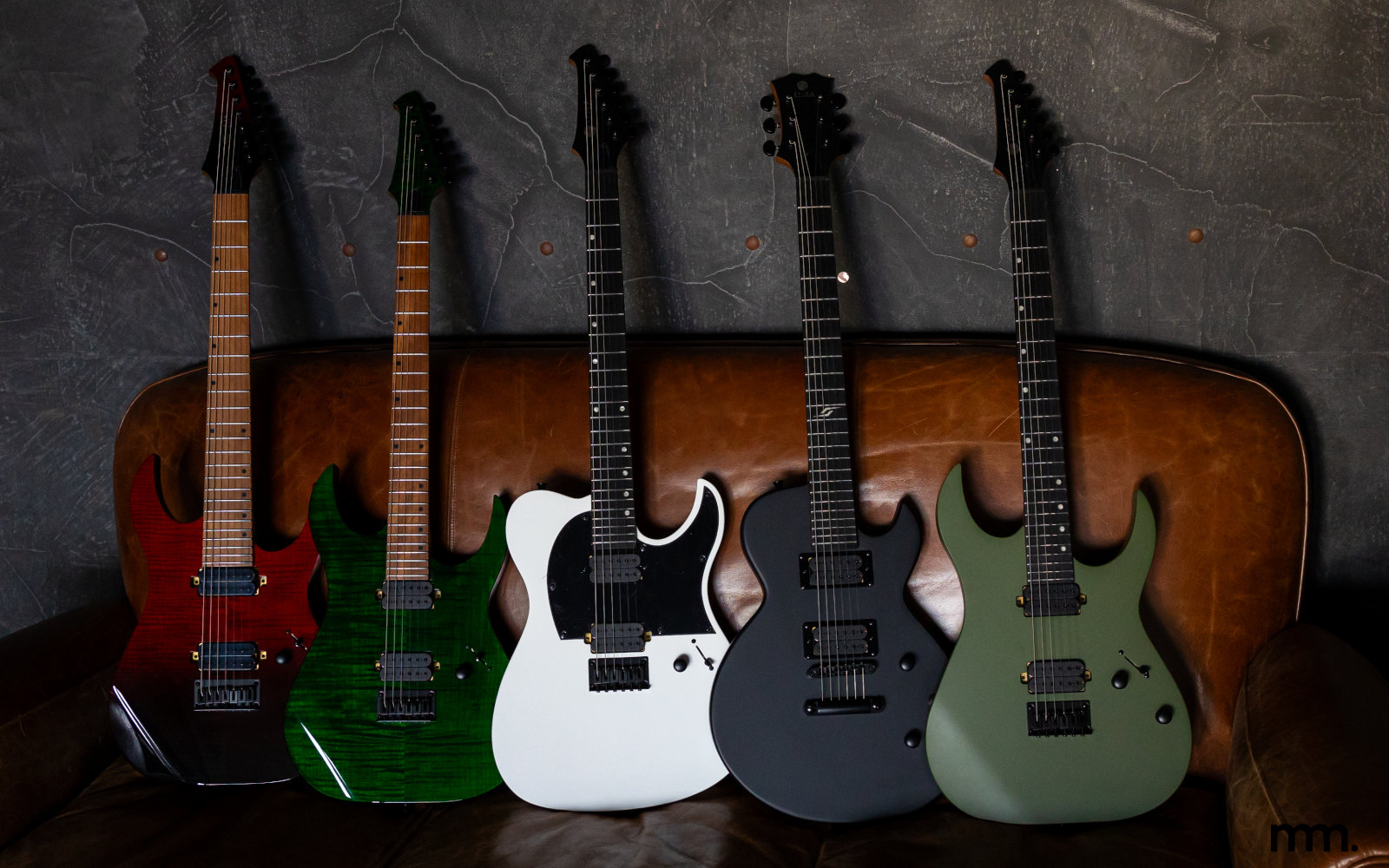
Bad ass beasties for the modern rocker - Spira Guitars.
Does Roasted Maple Change the Sound?
This is where opinions start flying — as they always do with guitars.
Technically speaking, roasted maple can:
- Emphasise clarity
- Improve note definition
- Feel a little more “immediate” in response
But the real difference most players notice isn’t the tone — it’s the feel. The confidence. The consistency. The sense that the guitar isn’t fighting you.
And honestly? That’s the part that matters most.
Is Roasted Maple Just a Trend?
Short answer: no.
Long answer: it’s becoming popular because it works.
Roasted maple has been used quietly by high-end builders for years. What’s changed is that brands like Jet and Spira are now making it accessible, bringing genuinely modern materials and techniques to guitars that normal humans can actually afford.
That’s not a fad — that’s progress.
Jet JS-400 Guitars are available HERE.
FAQ: Roasted Maple Necks
Does roasted maple change the sound of a guitar?
Roasted maple can slightly enhance clarity and note definition, but most players notice the difference more in feel and stability than in dramatic tonal changes. The playing experience is the big win.
Is roasted maple better than regular maple?
“Better” depends on preference, but roasted maple is generally more stable and less affected by climate changes. That’s why many modern builders prefer it, especially for touring or everyday use.
Do roasted maple necks need less adjustment?
Often, yes. Because roasted maple contains less moisture, it tends to move less with seasonal changes, meaning fewer truss rod tweaks over time.
Why do brands like Jet and Spira use roasted maple so much?
It allows them to offer premium feel, modern performance and long-term reliability at accessible price points. It’s a smart material choice that benefits both beginners and experienced players.
Is roasted maple just a trend?
No — it’s been used quietly by high-end builders for years. What’s new is how accessible it’s become, thanks to modern manufacturing and forward-thinking brands.
Does roasted maple feel good for fast playing?
Absolutely. Its smooth, dry feel and stability make it especially popular with players who value speed, precision and comfort.
The above guitar is available HERE.
Once You Feel It, You’ll Get It
Roasted maple isn’t about hype. It’s about comfort, stability, and playability — the things that make you want to pick up a guitar more often.
If you’re curious, the best advice is simple: try one.
Pick up a Jet. Pick up a Spira. Run your hand along the neck. Play a few chords. Bend a note.
Chances are, you’ll put it down thinking the same thing many players do:
“Oh. Right. That’s why.”
Roasted maple guitars are in stock now at Musicmaker — and yes, they really are that cool.
Check out all our Jet Guitars HERE.
Check out all our Spira Guitars HERE.