Ashdown UK Amps: OBM, SBM & Peacemaker
British-built bass power, serious speaker engineering, a little valve-amp mischief and absolutely no sympathy for the furniture.
We've all been there.
The guitarist has arrived with enough pedals to operate a regional airport. The drummer has spent twenty minutes adjusting a snare wire by approximately the width of a human emotion. Somebody is still looking for a functioning XLR cable.
Then the bass player plugs in, strikes one properly committed low E and somewhere behind the rehearsal-room wall a previously secure object moves three millimetres to the left. There it is.
The foundation. The pressure. The glorious physical certainty of a bass amplifier doing what a bass amplifier is supposed to do.
And right now, at Musicmaker Dublin, we've got some particularly tasty machinery for producing exactly that sensation.
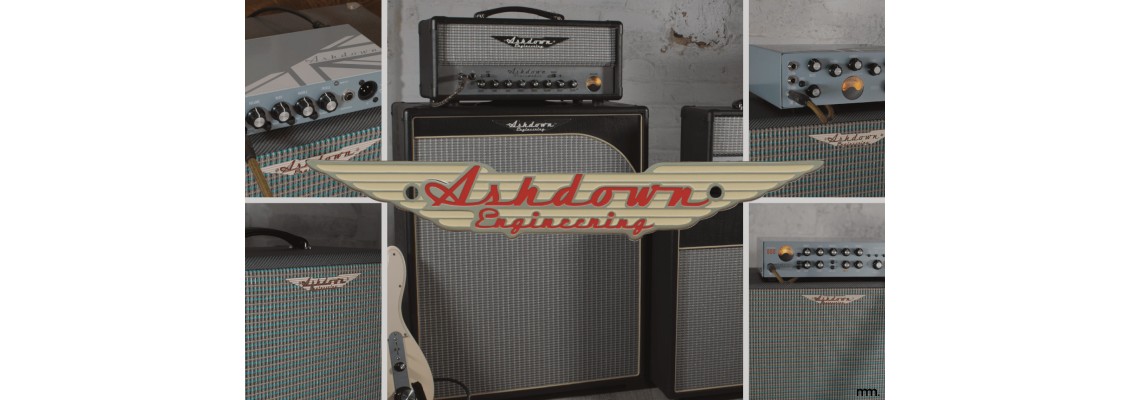
We're talking about Ashdown Engineering, the British amplifier specialists responsible for some of the most recognisable bass rigs on the planet. Their UK-built OBM and SBM series bring together proper low-frequency authority, practical modern features and an increasingly welcome obsession with keeping amplifier weight under control.
And because Ashdown has never been content to leave guitarists entirely out of the fun, we've also got something rather special from the Peacemaker family.
Five pieces of high spec amplification equipment.
An awful lot of glorious low end.
Let's get into it.
Ashdown Engineering: British Amplification With Attitude
There's a reason Ashdown has remained such a respected name among bass players.
Founded in 1997 by Mark Gooday, whose earlier career included a long association with Trace Elliot, Ashdown arrived with a clear understanding of what working musicians actually need from their equipment. Bass amplification is a peculiar discipline. You're asking an amplifier to reproduce extremely low frequencies with enough power to move serious quantities of air, while preserving the definition, timing and harmonic information that make individual notes intelligible.
That's harder than simply making things loud.
The fundamental of a bass guitar's low E sits at approximately 41Hz. But much of what we recognise as a bass player's tone exists considerably higher up the frequency spectrum. The click of a pick, the growl of a bridge pickup, the rounded warmth of a neck pickup and the subtle difference between a gently played note and an aggressive attack all occupy different regions of the sound. A good bass amplifier has to handle the whole lot.
Ashdown's UK-made OBM and SBM ranges approach that challenge from two slightly different directions.
The OBM series concentrates on clean power, useful EQ and straightforward operation. The SBM series adds onboard drive and extra tonal personality, giving players more opportunities to introduce warmth, grit and harmonic complexity. Both are built around a wonderfully simple idea.
Plug in. Find your sound. Play.
No software update required.
Ashdown UK-OBM-300: Small Box, Deep Consequences
300 watts | Five-band EQ | 1.8kg | €399
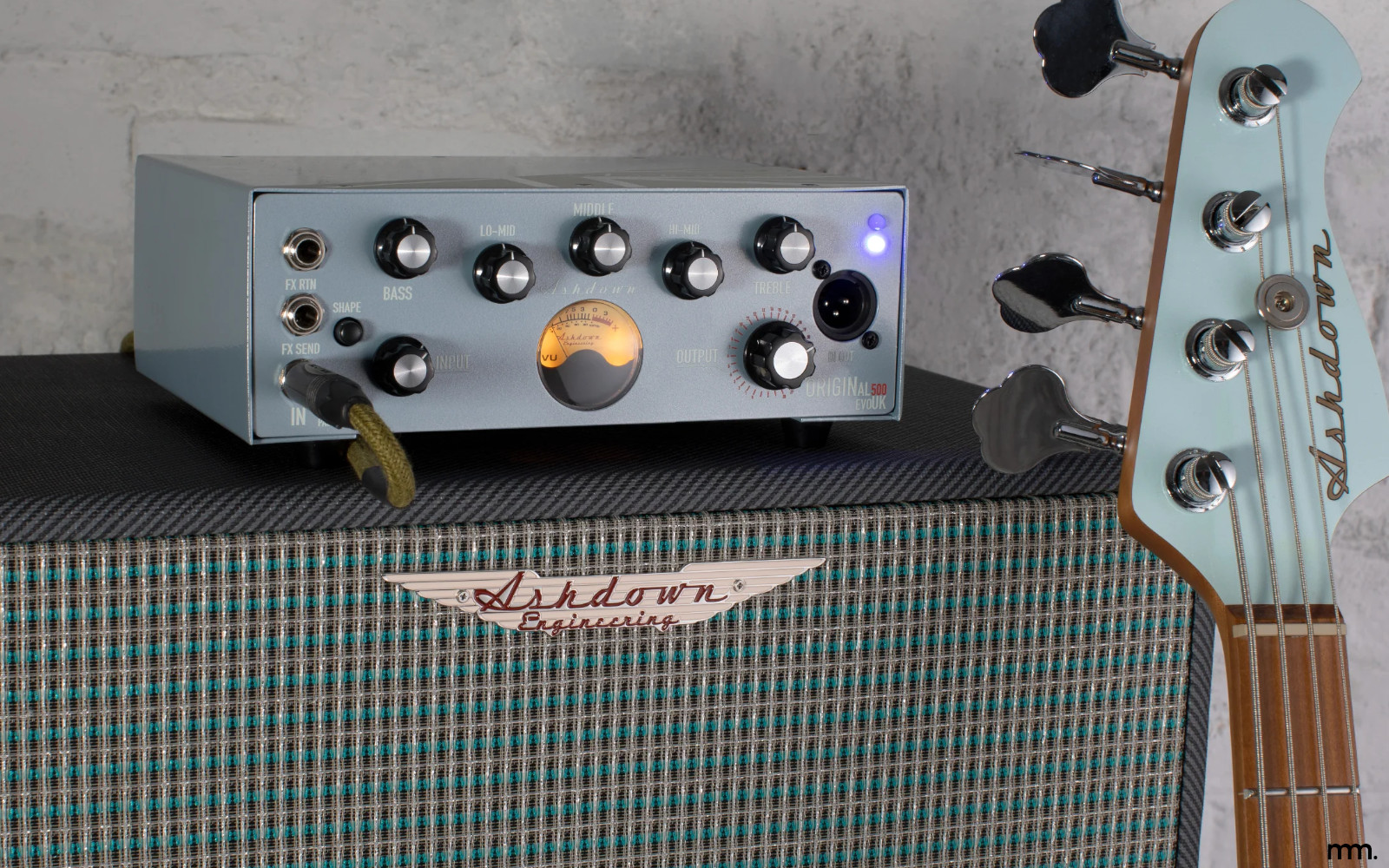
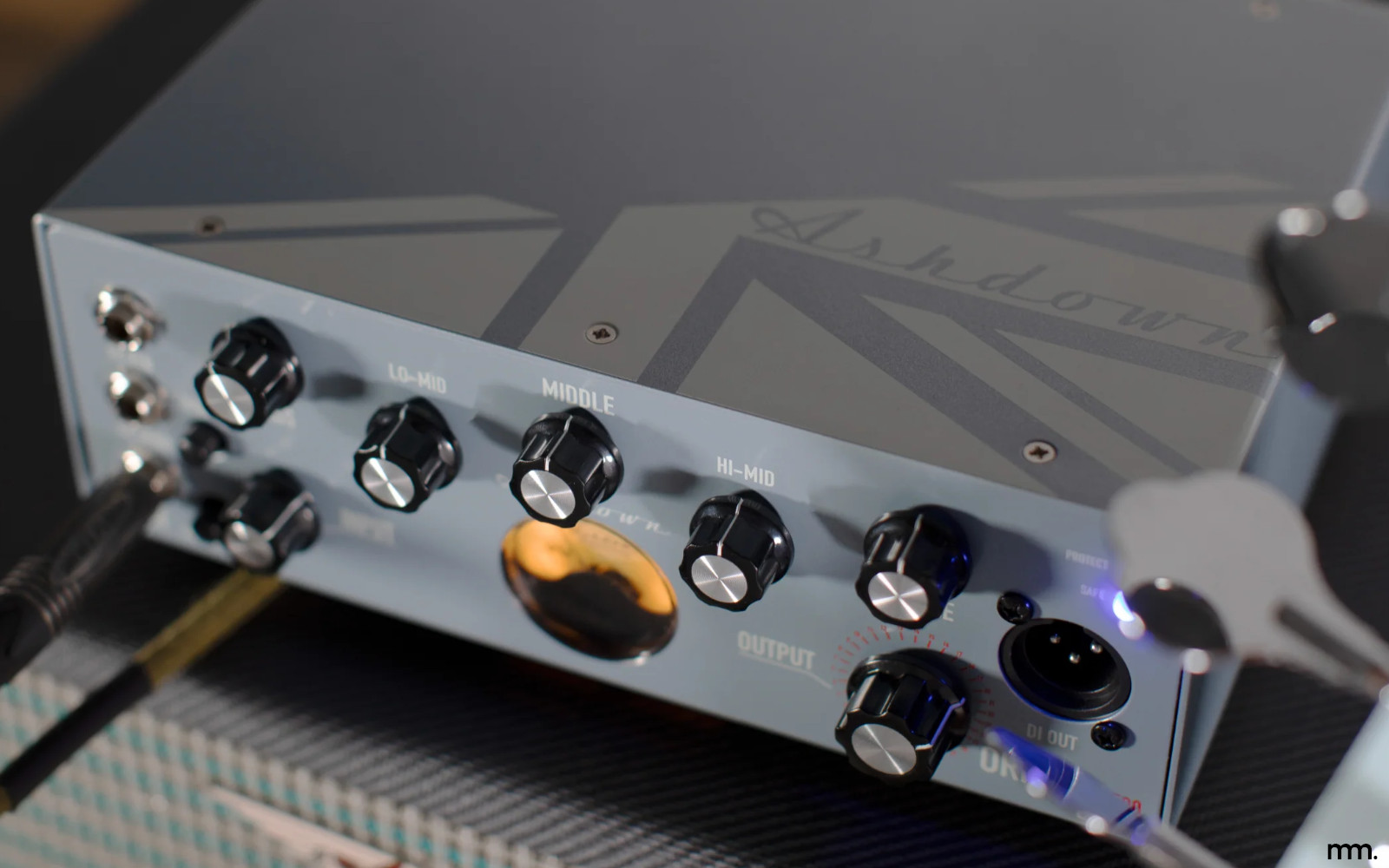
The first thing that makes the Ashdown UK-OBM-300 Bass Head so entertaining is its size. This thing is tiny.
Measuring approximately 220mm wide, 209mm deep and 89mm high, it weighs around 1.8kg. Bassists who spent the 1990s moving enormous amplifier heads up narrow pub staircases may need a moment to process that information. Yet inside this remarkably portable box is a 300-watt amplifier, designed to operate with a minimum 4-ohm speaker load.
And there's no shortage of useful control.
Ashdown provides a five-band EQ, with frequency centres at 100Hz, 220Hz, 660Hz, 1.6kHz and 7kHz. Each band offers substantial adjustment, allowing players to move beyond the traditional approach of turning the bass knob clockwise and hoping for the best.
That 220Hz region, for example, is particularly interesting. Too much energy around the low mids can make a bass sound thick and indistinct, especially in a busy band. Reduce it carefully and the entire mix may suddenly become clearer. Meanwhile, the 660Hz and 1.6kHz controls help shape the midrange articulation that allows individual bass notes to remain audible alongside distorted guitars. There's also Ashdown's familiar Pre-Shape circuit, offering a quick tonal contour when you want an immediate starting point.
Connectivity is equally sensible: high and low instrument inputs, balanced XLR DI, effects send and return, line input and speaker outputs. That DI is especially valuable. It allows a sound engineer to take a balanced signal for the PA while your cabinet provides the physical response and stage monitoring you need.
The OBM-300 is an excellent example of modern amplifier design doing something genuinely useful. It's not trying to reinvent the bass guitar.
It's simply making serious bass amplification easier to transport.
And frankly, your back deserves the consideration.
Ashdown UK-OBM-C112-300: Thunder in One Box
300 watts | 12-inch Sica NEO speaker | Five-band EQ | €789
Now imagine taking that same practical OBM philosophy and building the speaker into the amplifier.
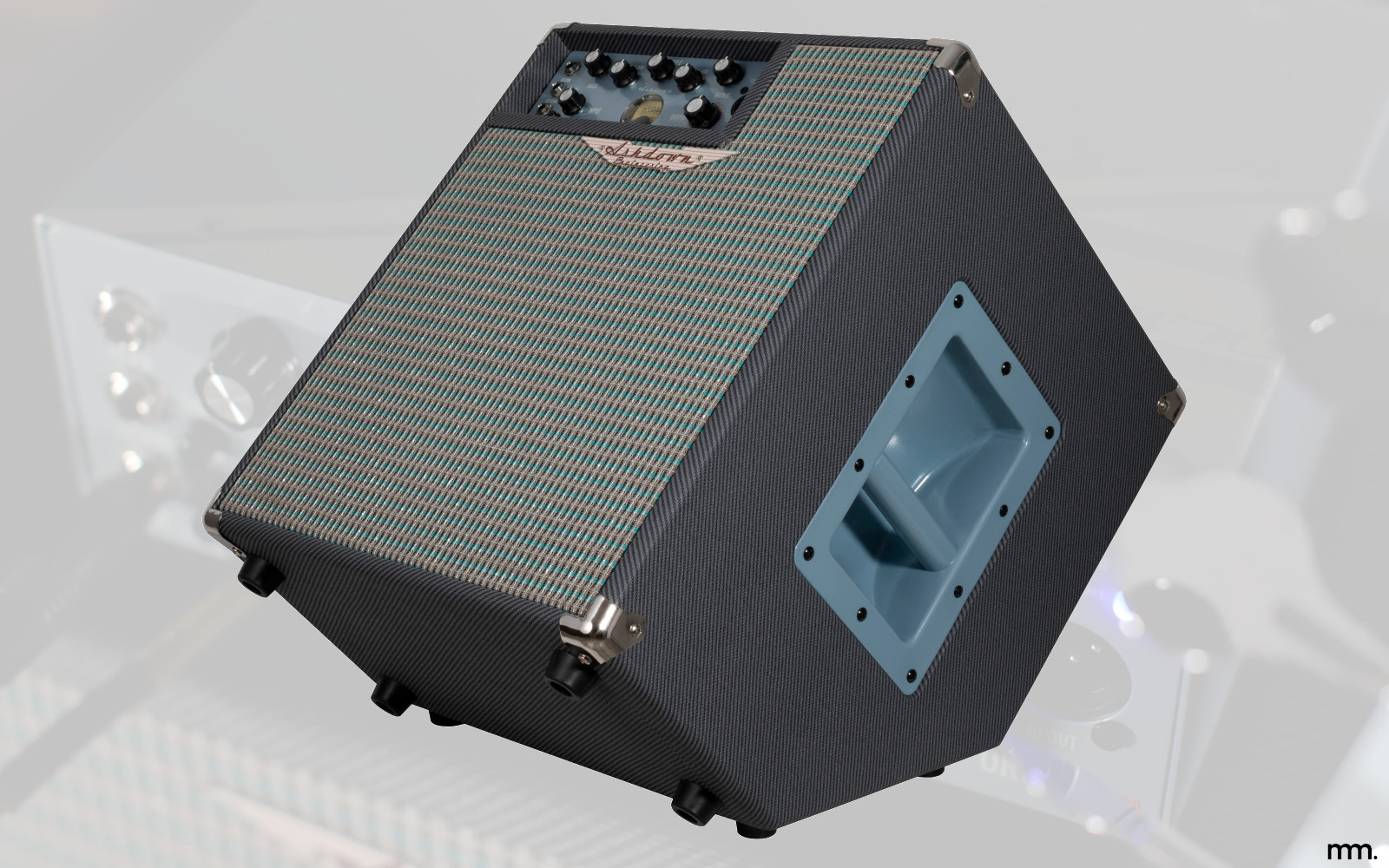
That's the Ashdown UK-OBM-C112-300 Bass Combo. A UK-built 300-watt combo featuring a 12-inch Sica neodymium speaker and tweeter, finished in Ashdown's distinctive Ice Blue, Charcoal Tweed and Silver Weave aesthetic.
It's a very handsome little brute. And the speaker selection is lovely.
Neodymium magnets allow speaker manufacturers to reduce weight while retaining the magnetic performance needed for demanding applications. The result is a complete bass combo weighing approximately 13.5kg.That's remarkably manageable for a serious 300-watt bass amplifier.
The 12-inch driver is a particularly versatile format, capable of combining useful low-frequency output with the articulation needed for fingerstyle, pick playing, slap bass and effects-heavy sounds.
Of course, speaker diameter alone doesn't determine tone. Cabinet dimensions, cone construction, excursion, sensitivity and enclosure design all contribute to the result. But a well-designed 1×12 bass combo can occupy a wonderfully practical middle ground. The OBM-C112-300 retains Ashdown's five-band EQ, balanced DI, effects loop and line input, while adding a headphone output for quieter practice.
So you've got a self-contained amplifier for rehearsals, recording sessions and smaller gigs, without the logistical commitment of a separate head and cabinet.
One handle. One box.
A thoroughly unreasonable amount of bass.
Lovely.
Ashdown SBM: Enter the Bass Magnifier
Now things get a little dirtier.
Ashdown's Studio Bass Magnifier, or SBM, range takes the company's familiar bass-first engineering and adds a particularly enjoyable ingredient.
Drive.
And not merely distortion for the sake of making everything sound as though a lawnmower has fallen into the mixing desk. We're talking about tube-emulated drive, designed to introduce harmonic richness and controllable grit into the bass signal. Here's where things get interesting.
Distortion creates additional harmonics above the fundamental note. Used carefully, those harmonics can make a bass line easier to perceive through a dense mix. It's why a slightly overdriven bass can sometimes sound more present than a completely clean one, even when the actual low-frequency output hasn't increased.
Of course, too much distortion can turn a beautifully defined bass line into an indistinct growling cloud. The trick is balance.
And that's where the SBM's dedicated drive controls become particularly useful.
Ashdown UK-SBM-112-200: Compact, Punchy and a Little Naughty
200 watts | 12-inch Sica NEO speaker | Tube-emulated drive | €679
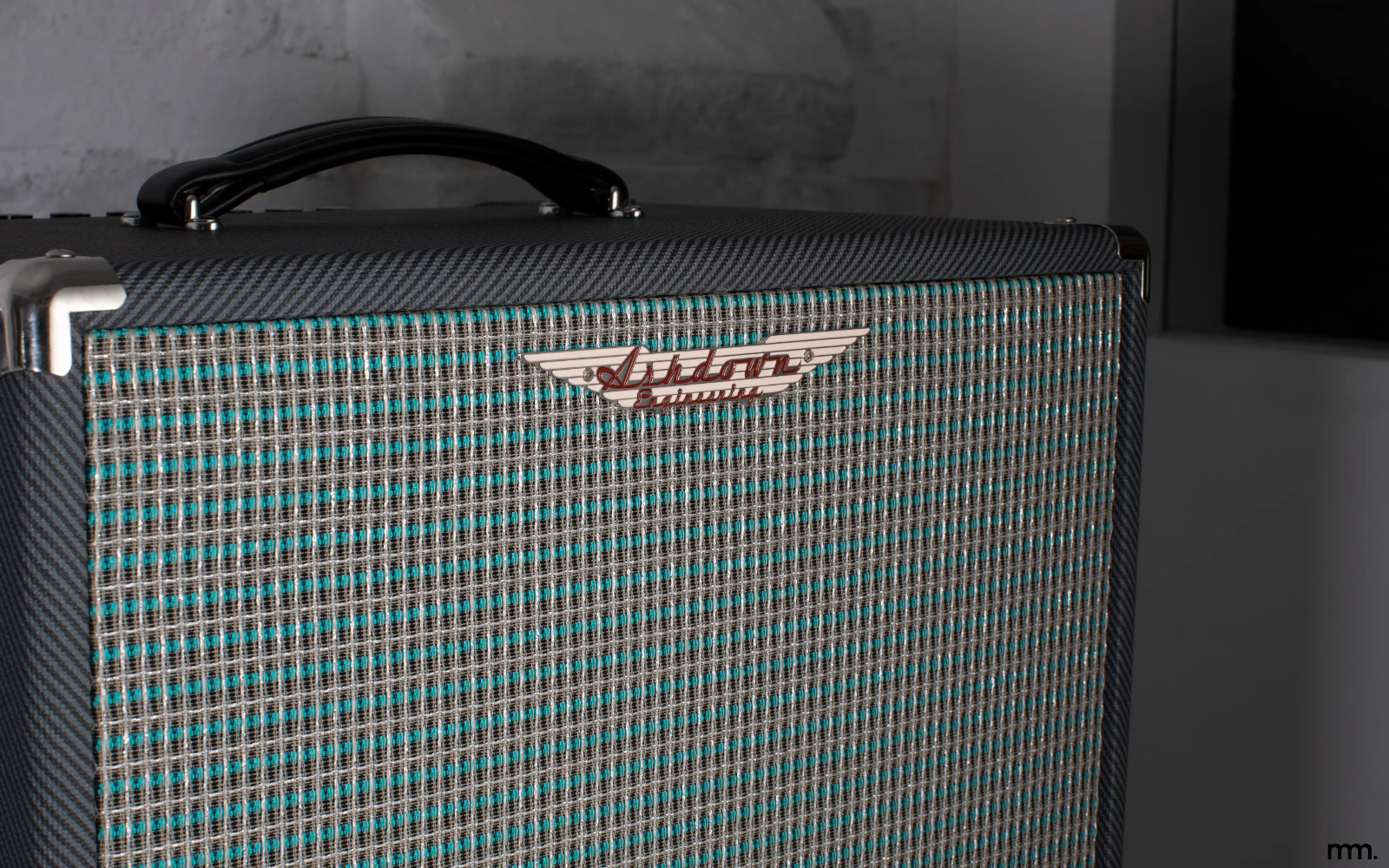
The Ashdown UK-SBM-112-200 Studio Bass Magnifier is a wonderfully practical proposition. A UK-built 200-watt bass combo, equipped with a premium 12-inch Sica NEO speaker, onboard drive and a comprehensive set of controls. This is an amplifier designed for musicians who want a compact rig without sacrificing the ability to shape their sound.
There's a Pre-Shape switch for instant tonal contouring, Pre-Gain for matching the amplifier's input to your instrument, and a dedicated Drive control for everything from subtle warmth to properly growling rock bass.
The EQ covers Bass, Low Mid, Middle, High Mid and Treble, giving players the flexibility to make precise adjustments.
And there are some very welcome practical touches.
An active/passive input switch with a -15dB pad helps accommodate hotter active basses without overloading the input. A balanced XLR DI makes recording and live sound straightforward. There's an effects loop, line input, headphone output and speaker-mute function. The Drive circuit can also be controlled using an optional compatible footswitch.
That means you can keep a clean bass sound for a verse, introduce some grit for the chorus and return to the original tone without doing a complicated dance around the amplifier.
At approximately 17.14kg, it's still a reasonably portable piece of equipment. But the real attraction is its versatility.
Clean, articulate bass for jazz and soul? Absolutely.
A little old-school warmth for blues? Lovely.
A growling, harmonically rich sound for heavy rock?
Now we're talking.
Ashdown UK-SBM-115-500: The Large Animal
250 watts internally | Up to 500 watts with extension cab | 15-inch Sica NEO | €899
And now we arrive at the big lad.
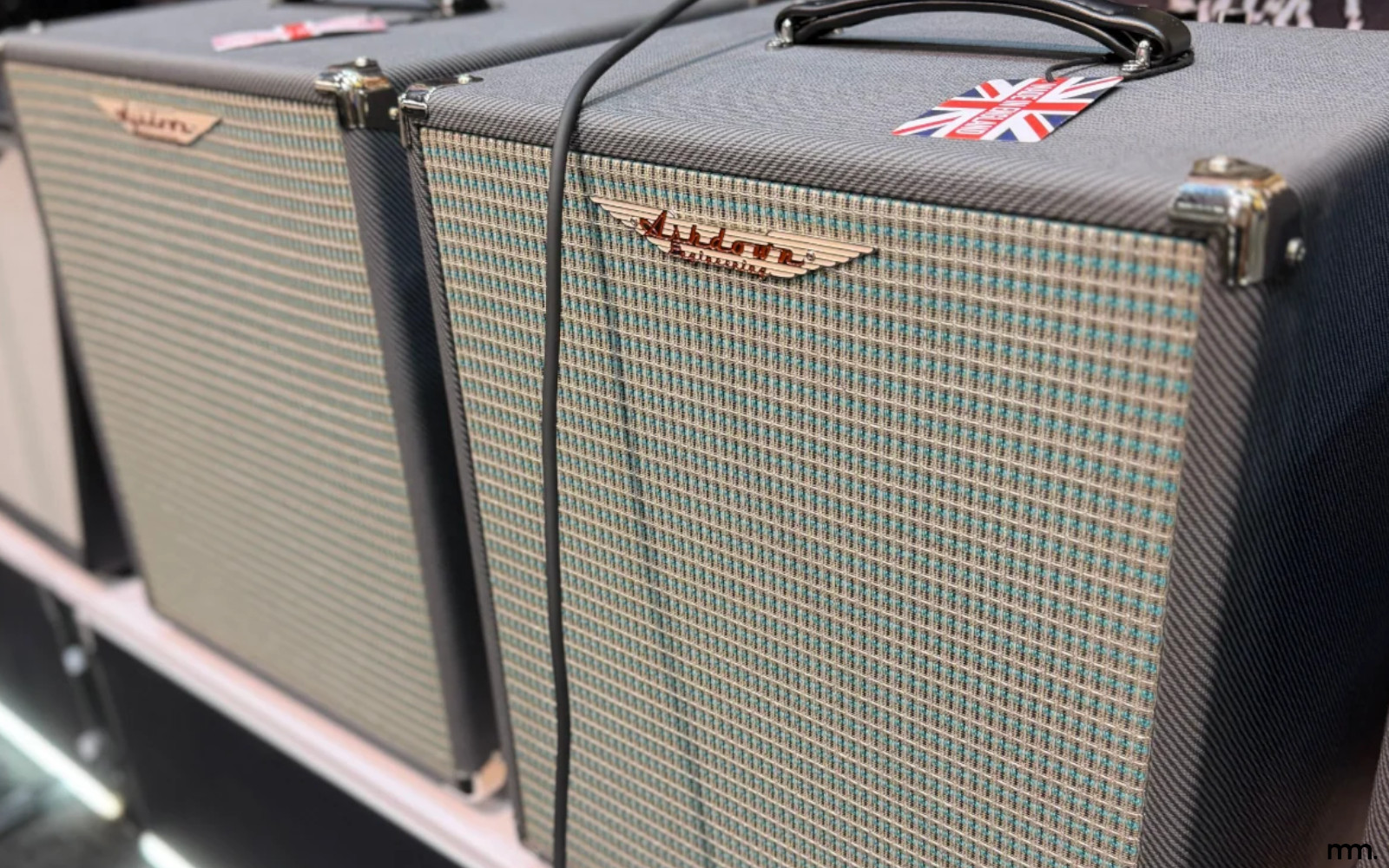
The Ashdown UK-SBM-115-500 Studio Bass Magnifier combines a 15-inch Sica NEO speaker, an Eminence tweeter and an expandable amplifier architecture capable of delivering up to 500 watts. But there's an important detail here.
Used on its own, the combo delivers 250 watts through its internal speaker. Connect a suitable 8-ohm extension cabinet, and the amplifier can deliver its full 500-watt output. That's a genuinely useful design choice.
For smaller performances and rehearsals, you've got a self-contained 1×15 combo.
When you need more speaker area and output, you can expand the rig without replacing the amplifier. The 15-inch speaker brings a larger-format approach to bass reproduction, while the Eminence tweeter helps preserve upper-frequency detail. That means the SBM-115-500 isn't simply interested in enormous low notes.
It's also equipped to communicate the attack, articulation and harmonic content that make those notes musical.
The familiar SBM features are all present: tube-emulated Drive, Pre-Shape, comprehensive EQ, balanced DI, effects loop, headphone output and active/passive input accommodation. There's even a speaker-mute function for situations where the room doesn't particularly need to hear your interpretation of a low B.
And here's the slightly astonishing part. The complete amplifier weighs approximately 16.5kg. A UK-built 1×15 bass combo with expandable 500-watt architecture, modern connectivity and serious speaker engineering.
At that weight.
Somewhere, a bassist who once owned an enormous refrigerator-sized rig has just stared silently into the distance.
We salute you.
Ashdown Peacemaker UK-PM-112: The Guitarists Join the Party
Celestion G12M-65 Creamback | 65-watt handling | 16 ohms | €499
Now for something a little different. Because Ashdown isn't only interested in the lower four strings.
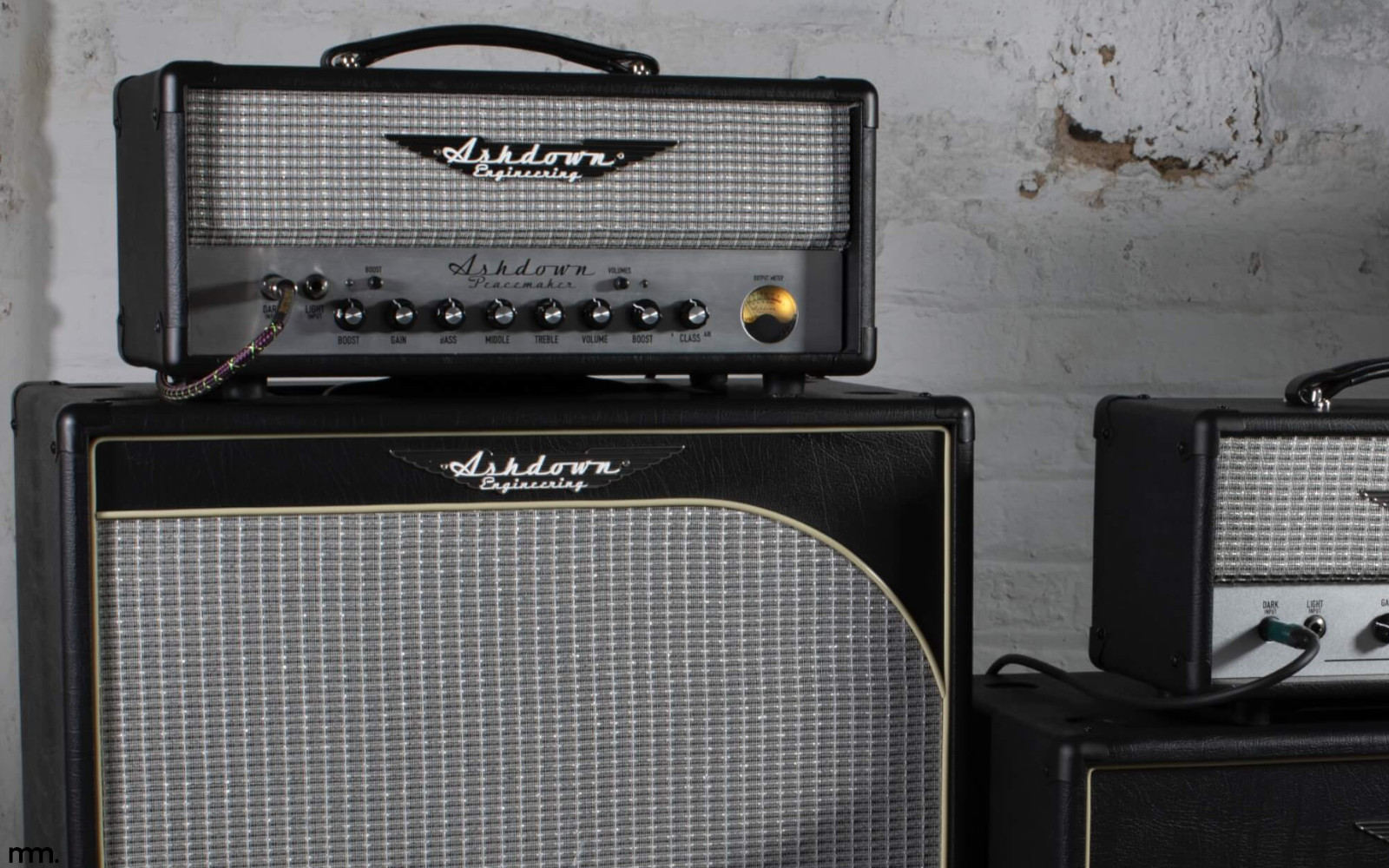
The Ashdown UK-PM-112 Peacemaker Guitar Cabinet brings the company's British-built craftsmanship into the wonderful world of electric guitar tone.
And at the centre of this particular beauty is a 12-inch Celestion G12M-65 Creamback speaker.
Oh, that's a lovely choice.
The Creamback takes inspiration from the celebrated British Greenback speaker tradition, retaining that familiar woody midrange character while offering greater power handling. It's known for punchy low frequencies, rich and vocal mids, and a smoother high-frequency response that can be especially rewarding with overdriven valve amplifiers. But there's another important part of the equation.
The cabinet itself.
The Peacemaker PM-112 uses a semi-open-back design, allowing sound to radiate from the rear as well as the front. Compared with a tightly sealed cabinet, this can create a more spacious, room-filling presentation, with a different relationship between low-frequency focus and ambient projection.
You can connect the same amplifier head to two different cabinets and experience a surprisingly dramatic change in sound and feel. The speaker's frequency response, sensitivity, cone behaviour and cabinet construction all interact to shape the result. And the PM-112 has been built with those details firmly in mind.
Ashdown uses lightweight premium plywood, reinforced metal corners and a stitched leather carrying handle.
It's designed to pair beautifully with the company's Peacemaker amplifier heads, including the PM-20H and PM-80H, but can also be used with other compatible guitar amplifiers.
One important technical note: the cabinet is rated for 65 watts at 16 ohms, so any amplifier connected to it must have a suitable speaker output and be operated within the cabinet's power-handling limits.
This is a passive guitar speaker cabinet, not a standalone amplifier. And for players who appreciate classic British guitar sounds, it's a very tempting piece of equipment indeed. Warm blues overdrive. Crunchy indie rhythms. Rich, sustaining rock leads.
A good Creamback has a way of making all three sound rather appealing.
The Nerdy Bit: Why Speakers Matter So Much
Here's something that deserves more attention in amplifier discussions. Speakers aren't simply the final step in an otherwise complete signal chain.
They're a major part of the instrument's sound. A loudspeaker converts electrical energy into mechanical movement, pushing and pulling air to create the pressure changes we hear as sound. But different speakers behave very differently.
Cone materials, suspension stiffness, magnet structure, voice-coil design, cabinet dimensions and enclosure tuning all affect the final result.
Bass speakers face the particular challenge of reproducing low frequencies at substantial volume without excessive distortion or uncontrolled cone movement. Guitar speakers, meanwhile, are often deliberately chosen for their colouration. A Celestion Creamback isn't intended to reproduce an electric guitar signal with the ruler-flat neutrality of a laboratory reference monitor. Its distinctive frequency response and mechanical behaviour are part of the appeal.
That's why changing a guitar cabinet can transform the perceived character of an amplifier. And why choosing between a 12-inch and 15-inch bass combo should involve more than a glance at the speaker diameter.
Your ears remain the most important measuring equipment in the room.
Conveniently, most musicians already own two.
Which Ashdown Is Calling Your Name?
The lovely thing about these amplifiers is that they each solve a slightly different problem.
The UK-OBM-300 is the travelling bassist's dream: serious clean power, proper EQ and an astonishingly compact footprint.
The UK-OBM-C112-300 delivers the same straightforward philosophy in a convenient, self-contained 1×12 combo.
The UK-SBM-112-200 adds controllable drive and extra tonal character for players who want a compact amplifier with a little more attitude.
The UK-SBM-115-500 brings larger-format speaker authority and the flexibility to expand into a more powerful stage rig.
And the Peacemaker UK-PM-112 is a glorious reminder that Ashdown's British engineering expertise extends into guitar amplification too.
Five very different pieces of equipment.
One shared appreciation for proper tone.
From the Musicmaker Workshop: Come and Hear the Thunder
We've been helping musicians make noise in Dublin since the early 1980s, and one thing hasn't changed.
There's absolutely no substitute for plugging in and playing.
Specifications are useful. They tell us about power output, impedance, speaker configuration, frequency response and connectivity. But they can't tell you how an amplifier responds to your particular bass, your playing technique or the sound you've spent years chasing. They can't tell you how a cabinet feels when you dig into a riff.
And they certainly can't tell you what happens to your face when you strike the first note through an amplifier that just gets it.
That's why we'd love you to come into Musicmaker, 29 Exchequer Street, Dublin 2, and experience these Ashdown beauties for yourself.
Bring your bass if you like. Try the EQ. Experiment with the Pre-Shape. Give the SBM Drive a little encouragement. And if you're a guitarist, come and investigate that Peacemaker Creamback cabinet.
You may discover that the speaker you've been looking for has been sitting under your nose all along.
Because great amplification isn't simply about volume. It's about the relationship between the instrument, the player and the air in the room.
And sometimes, when everything comes together, the result is beautifully uncomplicated.
You play a note. The room answers. Your trousers receive information.
Listen to the thunder.
Musicmaker — Independent minds. Serious gear. Glorious noise.